BFP精准零件标志

What is a fabricated metal parts?

What is a fabricated metal parts?

April 9, 2026 2

Metal fabrication is a critical part of the manufacturing process. From paperclips to plane parts, it’s used to create a wide variety of products. Metal fabrication is an essential step in creating everything from hardware and tools to car parts and pipes. So what exactly is metal fabrication? Metal fabrication is a manufacturing process used to shape metal into parts or end products.

Most metal fabrication uses sheet metal, which can be up to 0.25 inches thick. Fabricators convert this sheet metal into products or tools. Some of the industries that use metal fabrication include:

Aerospace
Agricultural industries
Alternative energy
Automotive
Construction
Consumer products
Military and defense
Original equipment manufacturers
Recreational vehicles

Metal fabrication plays a large role in creating parts for mass consumption. The mass production of products like screws, cans, cutlery, pipes and pans all fall into this category. These products tend to have consistent requirements and a wider tolerance for error. This means that the parts can differ in small ways from the original design but still function as expected.

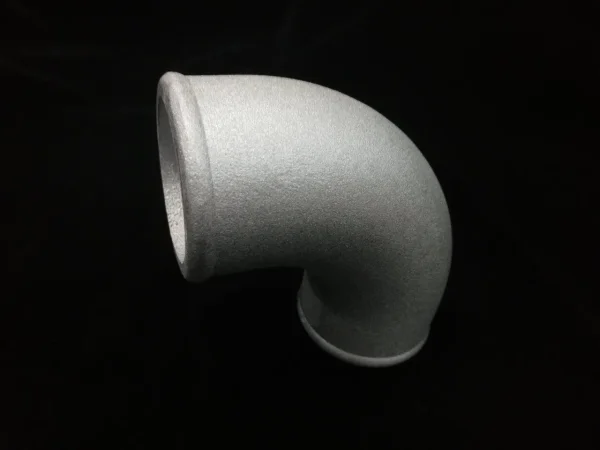
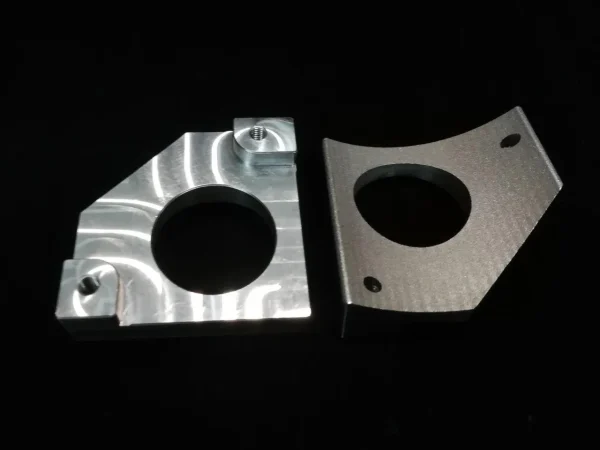
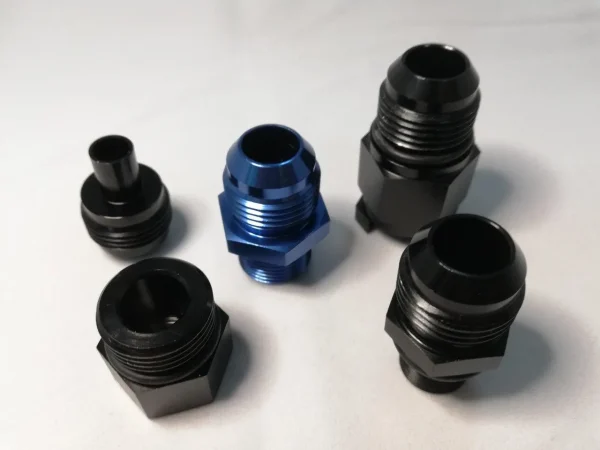
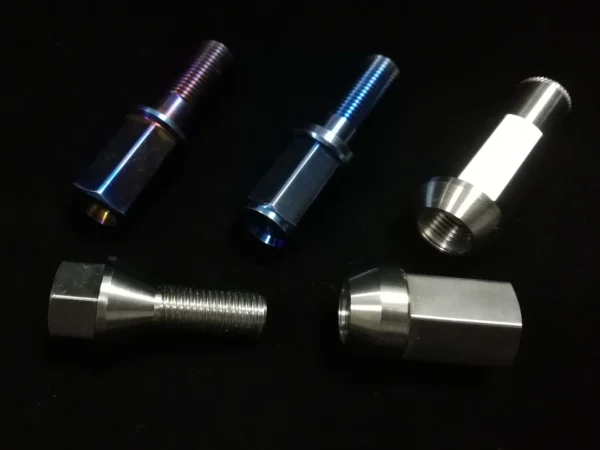
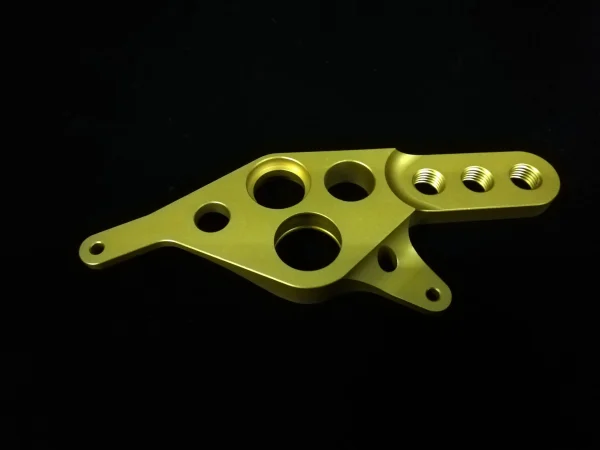
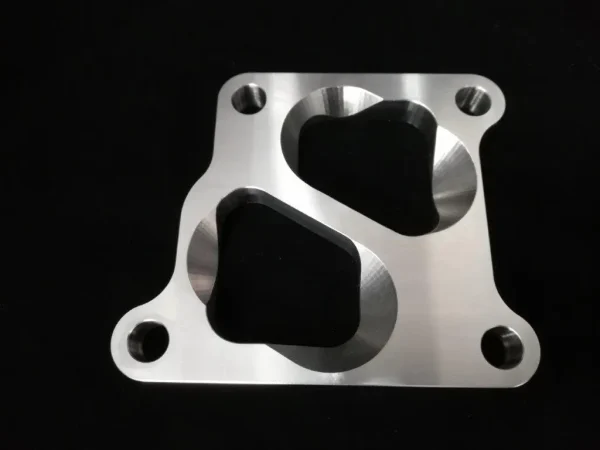
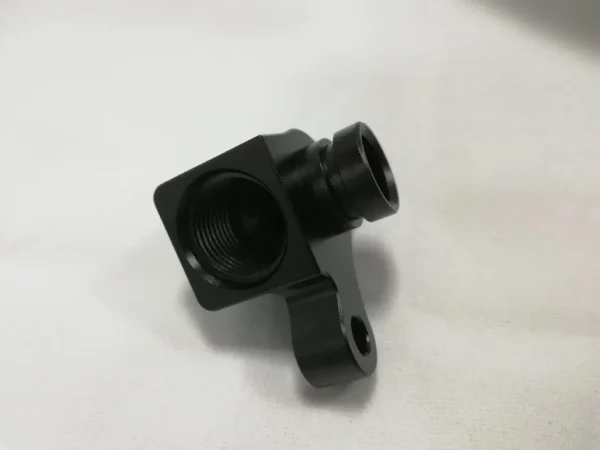
On the other hand, metal fabrication can also create large runs of customized fabricated metal parts. These projects usually include the design and fabrication of customized metal parts to fit a business’ needs. Customized valves, car parts and hardware are all examples of this type of project. Some examples of products made with metal fabrication include:
Cans
Cutlery
Car parts
Bolts, nuts, and screws
Equipment attachments
Hand tools
Metal windows and doors
Pipes and pipe fittings
Hot Products

Related

Advantages of sheet metal over other materials

April 9, 2026

Although 3D printing is quickly becoming a popular choice for manufacturing, there are times when sheet metal fabrication can serve as a better alternative. Depending on your project, sheet metal fabrication may be a superior choice over non-metal options or other metal manufacturing processes. But not all sheet metal is created equal. Each material type has specific characteristics that may make it perfect for one project, yet inappropriate for another. Each material’s properties may behave differently during fabrication, under stress, over time, or when subjected to chemicals and environmental conditions. These are all important considerations when determining what is best for your product. Sheet metal has several advantages over other materials: Dimensional AccuracyMany factors can impact the dimensional accuracy of your part, including machines used and their tooling as well as the fabricator’s experience with and knowledge of the properties and behaviors of various sheet metal materials. Working with an experienced sheet metal fabricator that has a proven track record of producing high-quality parts is of the utmost importance. Strength and DurabilityStrength is the measure of stress that can be applied to a material before it deforms, and durability is the ability of the product to perform as intended throughout its expected lifetime. Parts made from sheet metal tend to be stronger and more durable than their plastic counterparts, allowing them to withstand greater pressure and heat without failing or collapsing. The malleability of sheet metal gives it the ability to be stretched or compressed without breaking or cracking. This property allows it to be used in complex, custom, or highly specialized applications. In addition, surface treatments to prevent corrosion and environmental damage can be used to further improve durability. Cost-EffectivenessTooling costs for plastics can be very expensive, making sheet metal a more economical choice. Many companies move from machined parts to…

View More

Precision Metal Fabrication Materials and Process

April 9, 2026

Precision Metal Fabrication refers to multiple processes that alter a metal sheet’s original shape to produce desired parts and products. The manufacturing steps are procedural and must incorporate the right processes to give out a desired final product. Types of Precision Metal Fabrication MaterialsThere are numerous types of sheet metals available that are suitable for various fabrication processes. The primary metals available include: Steel – all four classifications of steel are prominent for robust strength, ductility, and resistance to corrosion.Aluminum – a relatively lightweight metal with high strength.Magnesium – a shiny, lightweight, and strong metal with low density making it adequate for structures that require stiffness.Bronze – a very high ductile metal with a low melting point.Copper – a soft and malleable metal with heat and electrical conductivity. What is the Precision Metal Fabrication Process? There are three primary steps in the fabrication process. Following each process guarantees the production of high-quality final products. CuttingThe cutting process is complex and depends on the type of material. Also, the preferred final product plays a crucial role in the selection of the cutting process. The main cutting processes include: mechanical cutting, laser cutting, punching, shearing, waterjet cutting. FormingIt is the process of bending the sheet metal into desired shapes. The manufacturer uses methods like air bending, roll forming, and coining in this process. Joining/AssemblyJoining is the process of assembling together different components of the metal to achieve the desired product. This process can include welding (MIG, TIG, laser welding, spotwelding), riveting, or the use of hardware fasteners.

View More

Main points of precision parts machining

April 9, 2026

Precision parts machining is a complex and rigorous process, which is composed of each step-by-step process. So what are the specific points of precision parts machining? The production process of a machine refers to the entire process of making products from raw materials (or semi-finished products). For machine production, it includes the transportation and storage of raw materials, production preparation, blank manufacturing, parts processing and heat treatment, product assembly, and debugging, painting and packaging. The content of the production process is very extensive. Modern enterprises use the principles and methods of system engineering to organize and guide production, and regard the production process as a production system with inputs and outputs. In the production process, the process of changing the shape, size, position and nature of the production object to make it a finished product or semi-finished product is called a process. It is the main part of the production process. The process can be divided into casting, forging, stamping, welding, machining, assembly and other processes. The mechanical manufacturing process generally refers to the sum of the machining process of the parts and the assembly process of the machine. Other processes are called auxiliary process, such as transportation, storage, power supply, equipment maintenance, etc. The process is composed of one or several sequential processes, and a process consists of several steps. The process of precision parts machining is the basic unit of the machining process. The so-called process refers to a part of the process that a worker (or a group of), on a machine tool (or a work site), is continuously completed for the same workpiece (or for several workpieces at the same time). The main feature of forming a process is that the processing objects, equipment and operators are not changed, and the content of the process is completed continuously.

View More

What are operation steps of precision machining?

April 9, 2026

Finishing process: This principle means some polishing process, which is usually done after the product has been finished the structure. Plane first and hole second: In the process of machining precision parts, for workpieces such as brackets, it is necessary to machine both plane and mechanical holes. In order to reduce the accuracy error of the holes, it is beneficial to reduce the error by processing the plane first and hole second. Divide the processing stage: During precision machining, different degrees of processing need to be divided according to the different product requirements. If the accuracy requirement is not high, then a simple rough processing stage is enough. The progress requirement of the product is stricter and stricter, followed by semi finishing and finishing. Benchmark first: When using mechanical equipment to machine products, a benchmark must be determined so that there is a reference for positioning in subsequent processing. After determining the benchmark, the benchmark must be machined first. During machining mechanical parts, there will be many parts not produced by one-time production, but when the parts are produced, it is only a rough model.

View More

Standards for precision parts processing

April 9, 2026

If the size is very different, the products will become scraps and need to be reworked to meet the requirements. This process is very time-consuming and laborious. Sometimes all the raw materials are scrapped and the cost increases. At the same time, the parts are bound to be unusable. There are many requirements for precision parts processing. So what are the requirements for precision parts processing? Generally, in order to ensure the machining accuracy of parts, the machining of rough parts and precision mechanical parts must be run separately. Because the cutting amount, clamping force, heat generation, and cutting force of the workpiece are all different. If rough machining and precision machining are performed continuously, the precision of precision machining parts will be lost due to the difference in stress. The rationality of equipment selection. The machining of rough parts does not require high machining accuracy, but mainly cuts the machining allowance, so precision machining requires very high-precision machine tools. In the process of precision parts, heat treatment processes are often arranged. The position of the heat treatment process is arranged as follows: in order to improve the cutting performance of the metal, such as annealing, normalizing, quenching and tempering, etc., it is generally arranged before the machining of the mechanical parts. Generally speaking, almost all precision parts are processed with heat treatment process, which can improve the cutting performance of metal.

View More

How to select materials for precision machining parts?

April 9, 2026

We all know that the smaller parts, the higher requirements for machining accuracy, and this kind of processing for high-precision parts is also called precision machining. Because of its very high precision requirements, this has an impact on the performance and the precision requirements are correspondingly very high, and materials with too high strength and hardness cannot be used. Such materials will increase the difficulty of processing. If the hardness of the processing machine is exceeded, the machine may even be damaged. So what are the material requirements for precision machining parts? There are many kinds of materials in common processing, but we can classify them into metals and non-metals. Generally, the hardness of metals is stainless steel, followed by iron, then copper, and finally aluminum. Among non-metallic materials, ceramics and plastics are particularly representative. First of all, as far as the hardness of the material is concerned, in some applications, the higher hardness, the better. However, because the hardness of the processing machine has a certain limit, the material to be processed must not be too hard, at least it can not be higher than the hardness of the machine. If it is higher than the hardness of the machine, then it must not be processed. Secondly, not only the hardness of the material should be moderate, but also at least one grade lower than the hardness of the machine part, and the function of the processing device should be analyzed, and then the machine part should be reasonably selected. Only in this way can it be ensured that the products produced are most in line with the requirements and at the same time the most economical. All in all, the selection of materials when processing precision parts must also have certain requirements. Not all materials are suitable for processing,…

View More

CONTACT US

Shanghai (China) Best Fit Precision Co.,LTD

Add:Room 202, Building 10#, No 666 Songhuang Road, Qingpu District, Shanghai, China
Tel:+86-021-5976 8618
E-Mail: info@bestfitparts.com.cn

REQUEST A QUOTE